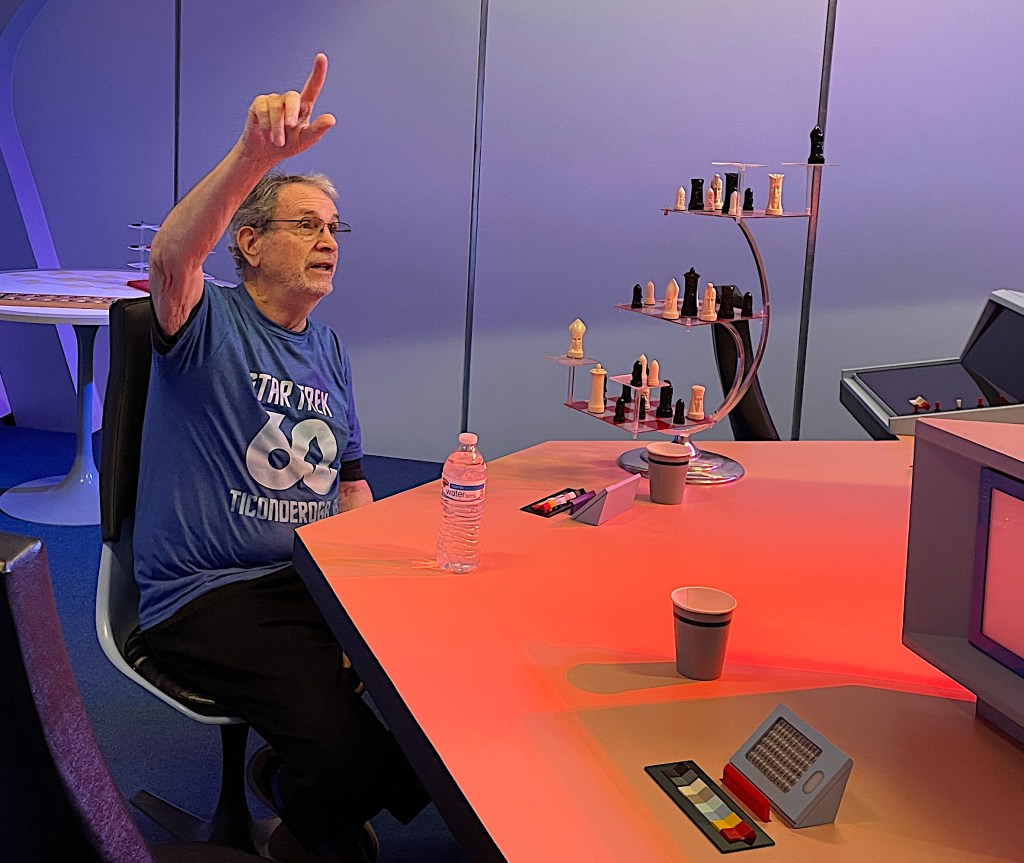
I am very fortunate in my friends. A good example is an email I received this past June from sci-fi novelist and Star Trek fan Robert J. Sawyer. Rob and his wife Carolyn were planning a dinner with David Gerrold, and he asked me to join them. “Let me know if that works for you,” Rob wrote.
It did, indeed, work for me. The dinner setting was the big 60th anniversary celebration at the Star Trek Original Series Set Tour in Ticonderoga, NY. Rob and I had been invited to give talks, and we were in great company: the celebrity guest list included William Shatner, BarBara Luna, Louise Sorel, Nancy Kovack, France Nuyen, Phil Morris, Clint Howard, and Pamelyn Ferdin. And David Gerrold, Star Trek royalty and Rob’s longtime friend. (See also my article on their book Boarding the Enterprise.)
I spent the week before Ticonderoga rereading David’s The World of Star Trek, published in 1973. It’s a book I loved as a teen but hadn’t read in years. I am pleased to say it holds up. It’s an important early non-fiction work; I also wrote an article on the book itself.
But back to dinner. A few hours before we were to gather, I asked Rob if it would be okay to request an interview with David during the meal. I wanted to discuss The World of Star Trek but I didn’t know if that was proper dinner behaviour. Ask him, Rob said, and so I did. And I asked if I could record the conversation.
David talked to me between entrée and cappuccino about one of the foundational works of Star Trek scholarship. Here is an edited transcript.
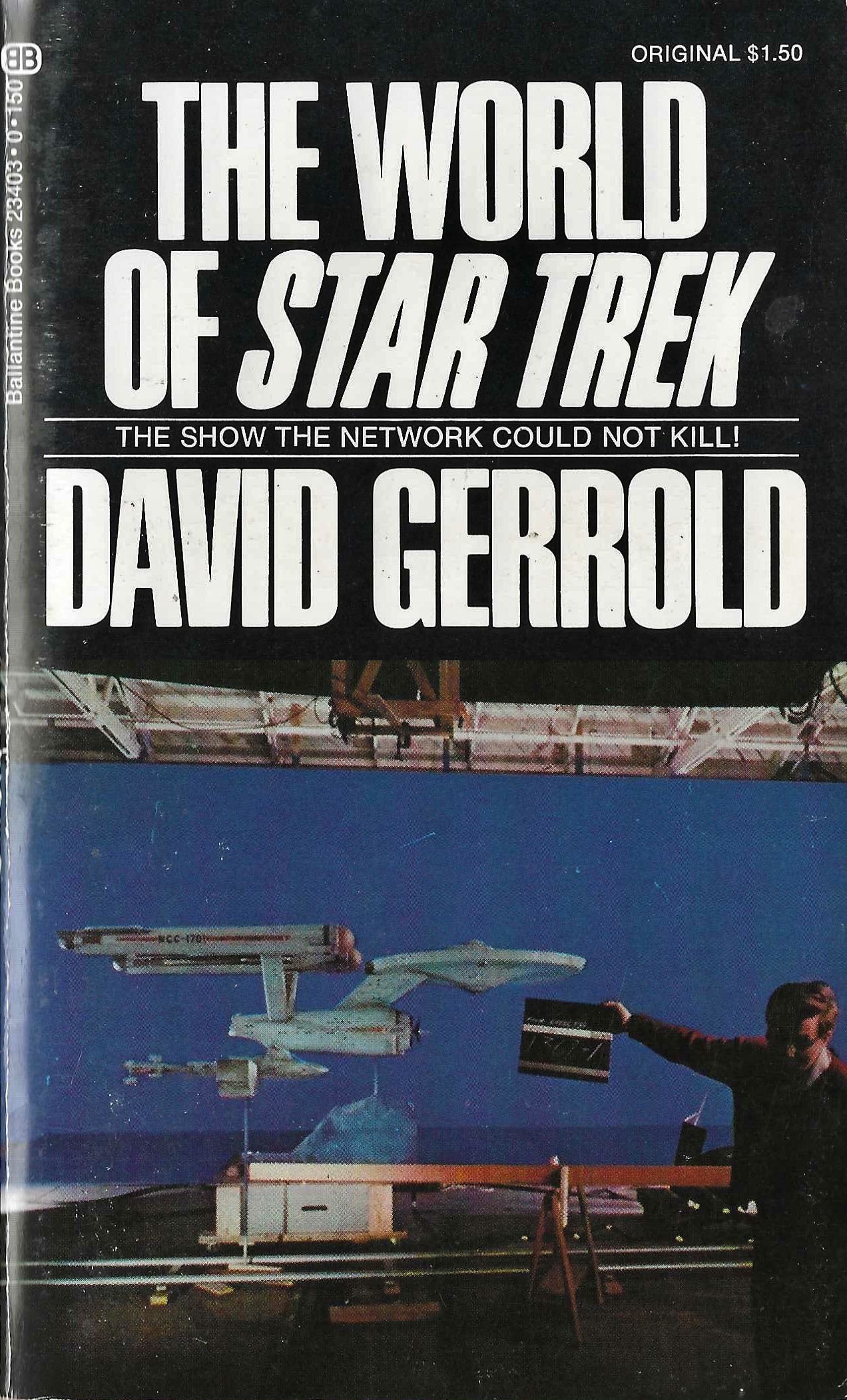
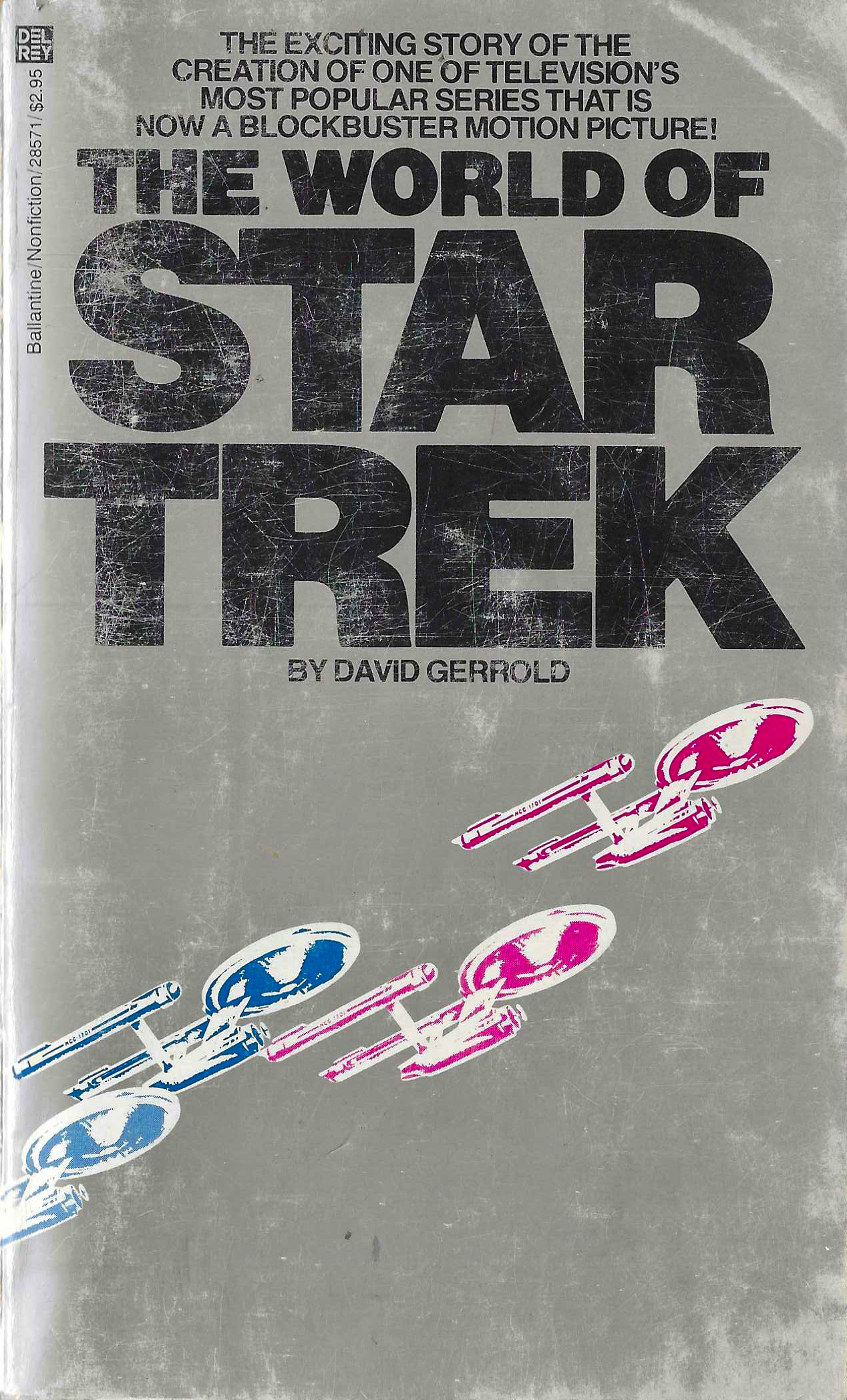
The first printing of the US edition (left) and the Canadian tenth.
[The book] was enthusiastic. I think that was part of its success. But it wasn’t blindly enthusiastic. There was a chapter at the end where I said here’s how it could be better, here’s what they could have done and should have done.
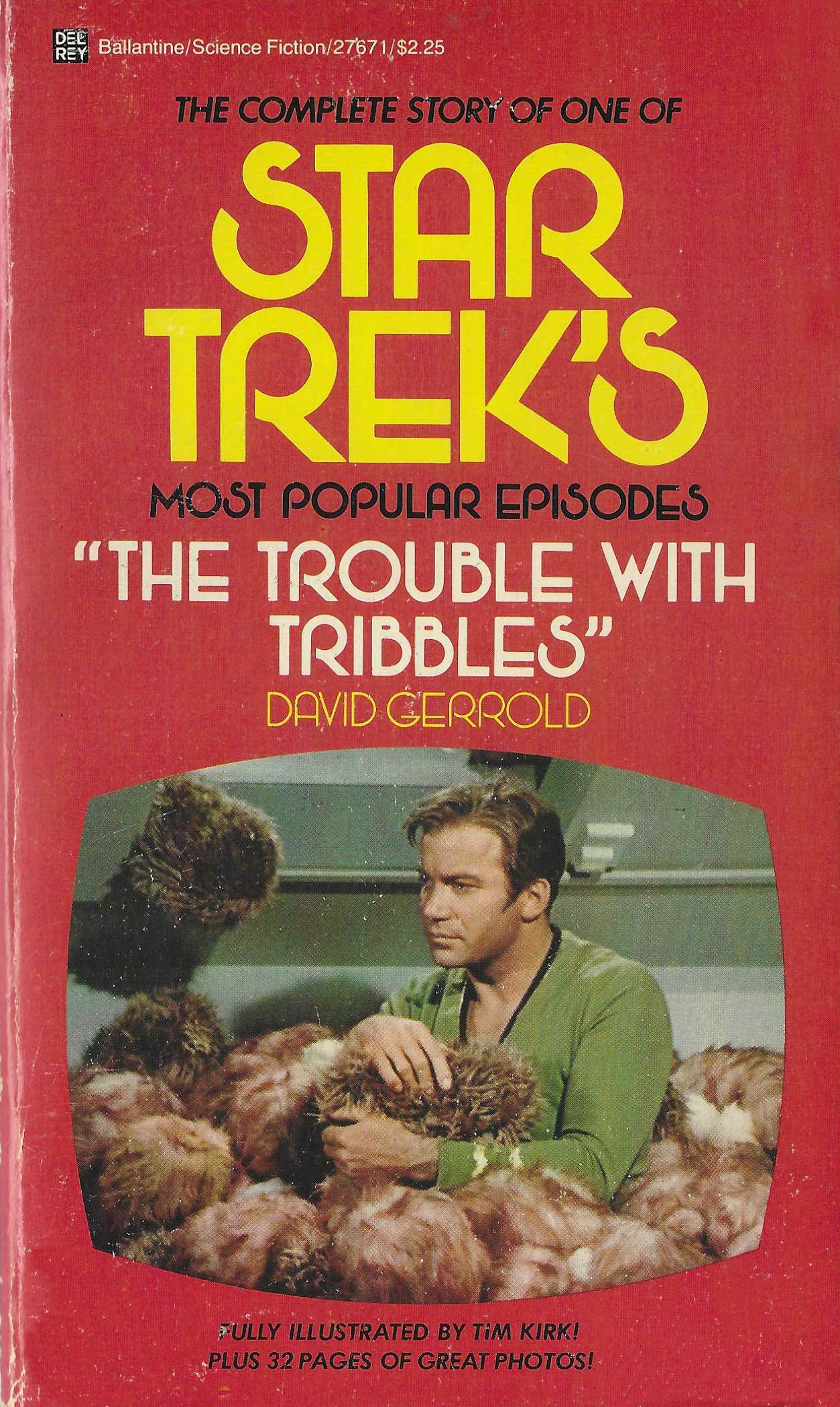
[I had pitched] a book about The Trouble with Tribbles but halfway through I realized there was too much material. And I called [the publisher] and said, “Let’s break it into two books” and so one book was about The Trouble with Tribbles and the other was The World of Star Trek. And they both sold very, very well.
I bought a house. My first house.
My biggest regret was we didn’t do the pictures in color and charge $1.75 for the books. We only charged $1.50. The World of Star Trek outsold The Trouble with Tribbles back then; now, The Trouble with Tribbles outsells The World of Star Trek.
[The publisher] had faith not only in me, but she had faith in Star Trek, because they had done so well with the Gene Roddenberry book (The Making of Star Trek). And the Gene Roddenberry book was really: here’s the bible, and here’s the publicity for it…all Stephen Whitfield did was compile all of the stuff, maybe a couple interviews, but nothing more. And me, I interviewed every actor I could get to, every person I could get to. And I heard some of their stories for the first time, like Nichelle with Martin Luther King and so on.
I felt privileged to be able to capture [all that]. I knew that it would sell, but I didn’t know it was going to sell that well. I thought, I love this stuff, behind the scenes. Nobody else had done a behind-the-scenes book. And so, The World of Star Trek peeks behind the scenes, how it was made. And the fans grabbed onto it not just because it was about Star Trek, but it gave them insight into Star Trek.
[When I wrote the book,] I had not yet encountered many of the assholes that were in television. There are people who are in television for the fame, and people who are there for the money, and people who are there because their brother-in-law dragged them in; there are people who are in television for the wrong reasons. Now, I grew up in the theater arts environment, and yeah, there are assholes in theater, but what I learned is the only people who really succeed in theater are people who love theater. Television doesn’t work that way because there’s too much money floating around. And…money is addictive. It is like heroin.
But if you can be on a show that you love, and you love going in, and you love solving the problems… You know, Bob Justman was that way. Dorothy Fontana got it. Gene L. Coon got it. Most of the actors understood that because…actors do connect with the audience. And with Star Trek, once they discovered that the fans were in love with them, they suddenly blossomed. They were stars, they weren’t just actors anymore.
If I had to pick the nicest person in the cast, De Kelley would be way up there. Leonard, when he wasn’t being Spock, he was terrific. Bill had to do like 14-hour days, but when he had time he was playful, he was generous. Nichelle was the warmest.
Once you figured out the writing for the show, you wanted to give De the punchline. He could deliver it.
Writing has paid David Gerrold’s mortgage and grocery bills, and congratulations to him for making that work. And income was certainly one motivation for writing The World of Star Trek. But David also loves the show, and that love is in his book and was obvious in his dinner conversation: “With The World of Star Trek, I said it in the book but I’ll say it again: Star Trek was a dream. It is a dream that the way things are is not the way they have to be. It is a vision of the future, that we’re going to learn how to be a mature species. It is a dream.”